
The Legendary Home of Borneo's Orangutans
Sekonyer River & Tanjung Puting National Park
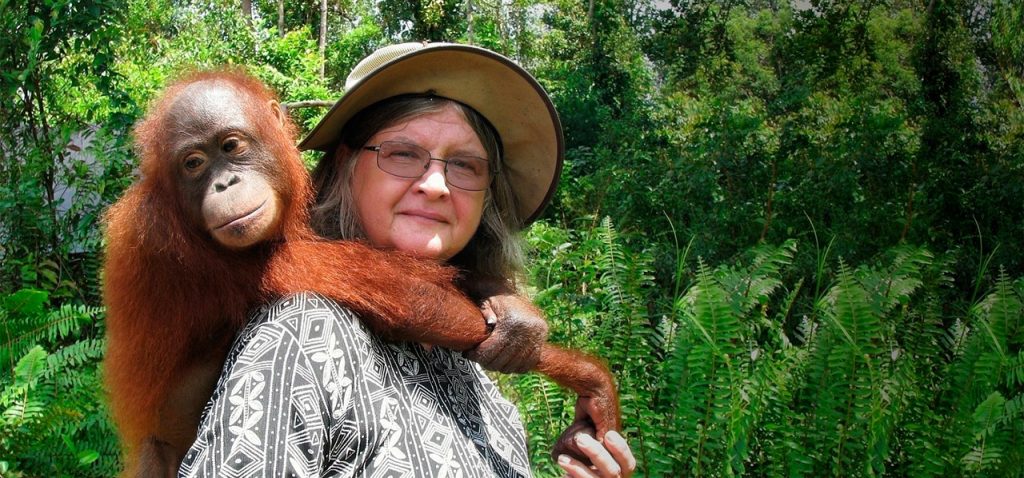
The Sekonyer River is where Borneo’s orangutan story began. In 1971, a young graduate student named Dr. Biruté Mary Galdikas ventured up this blackwater river into what was then unexplored wilderness, establishing Camp Leakey and launching what would become the longest continuous study of orangutans in the world.
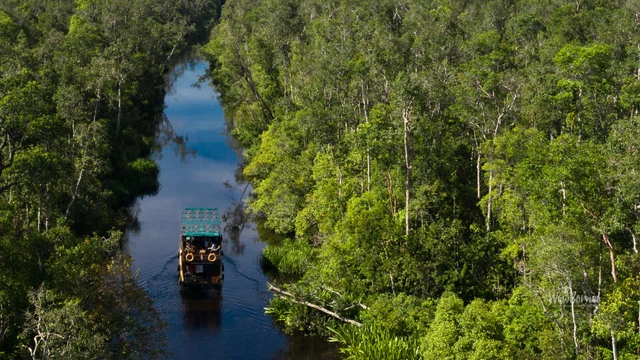
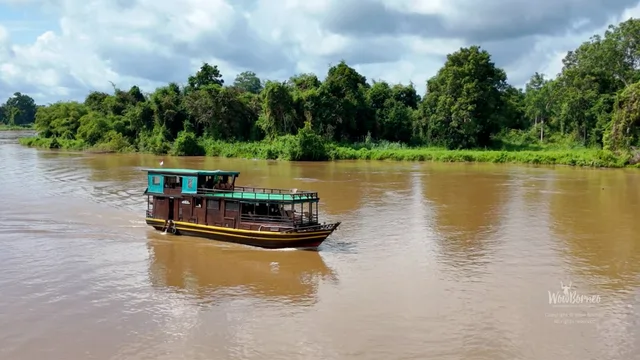
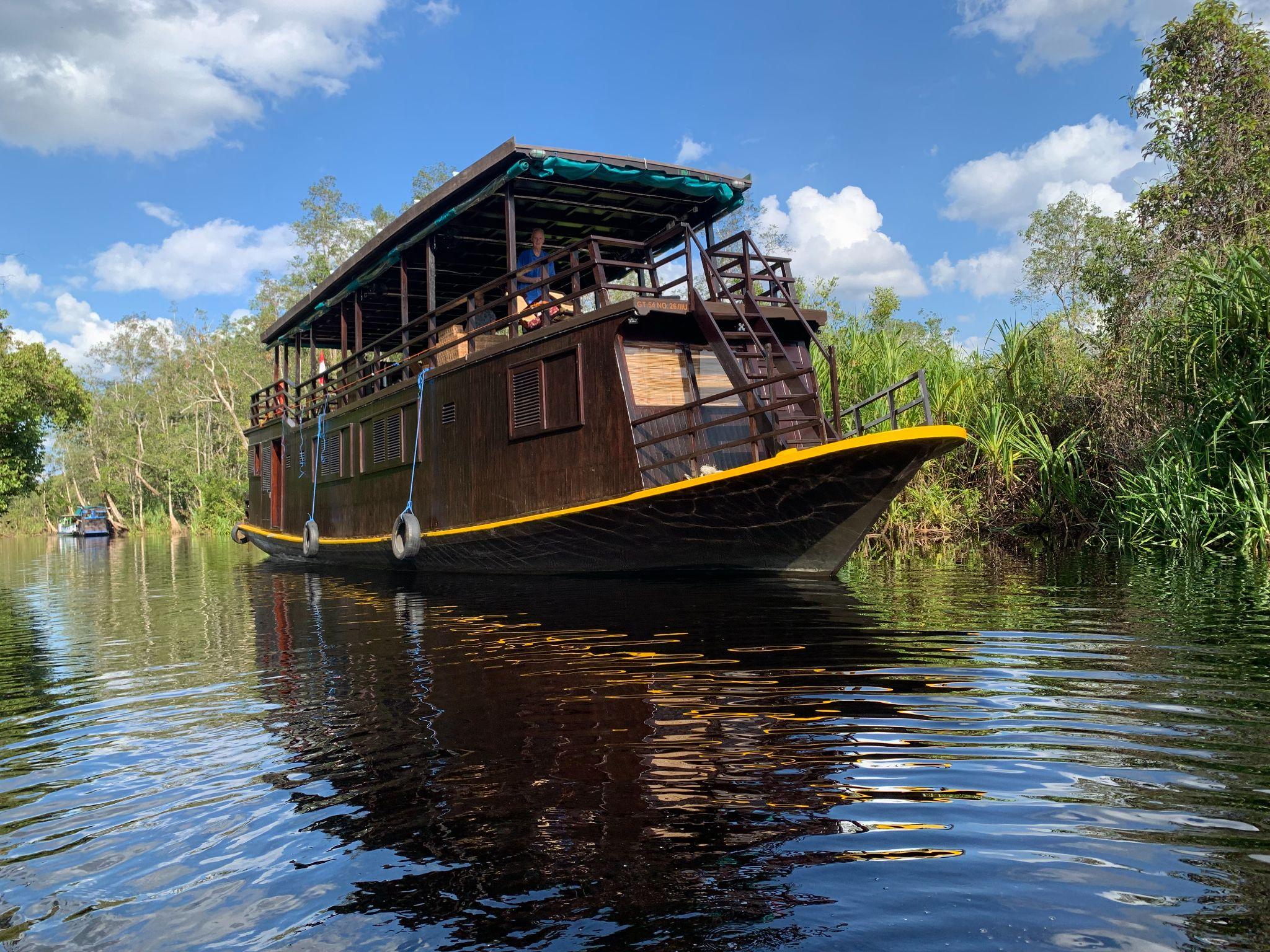
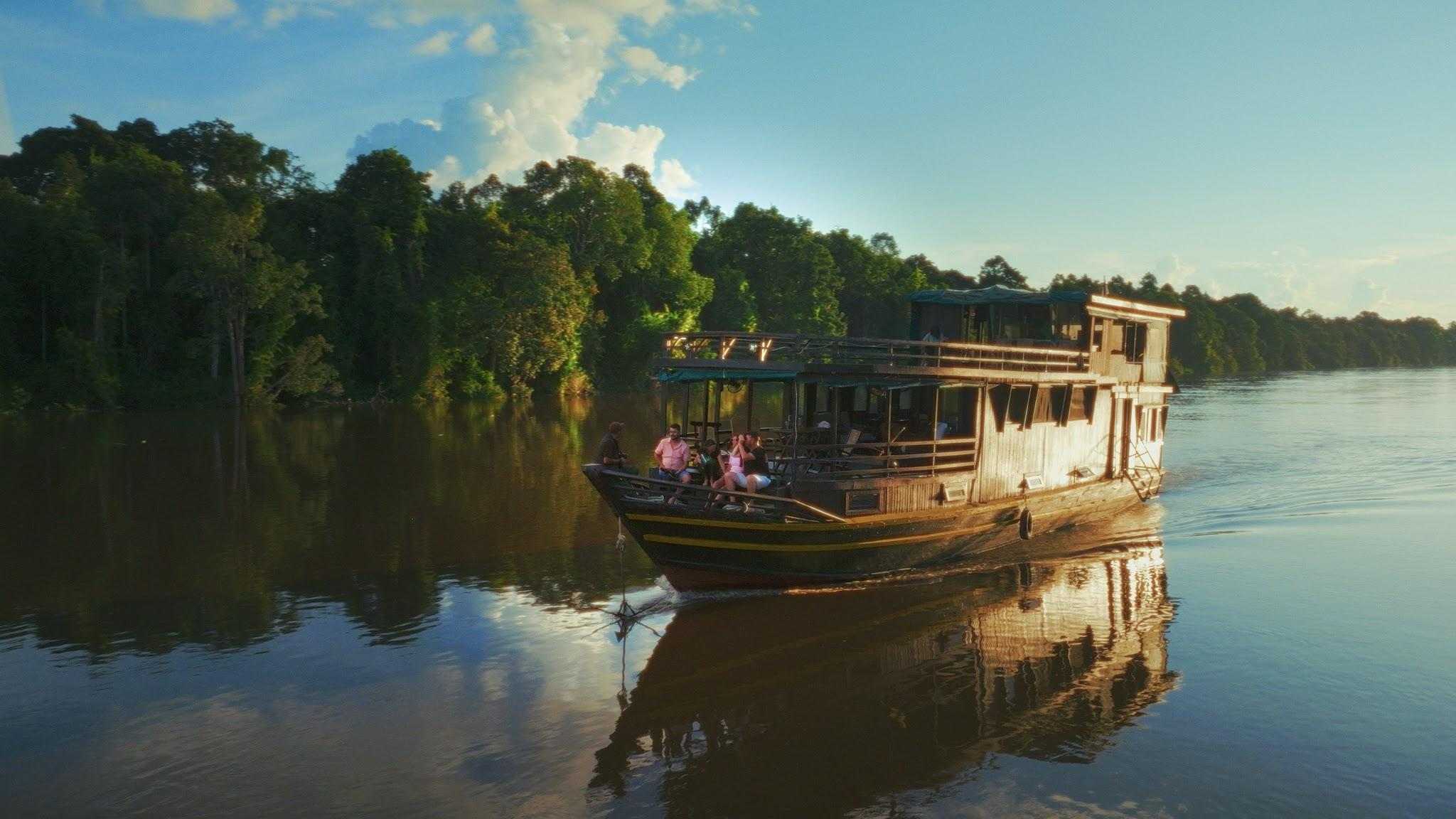
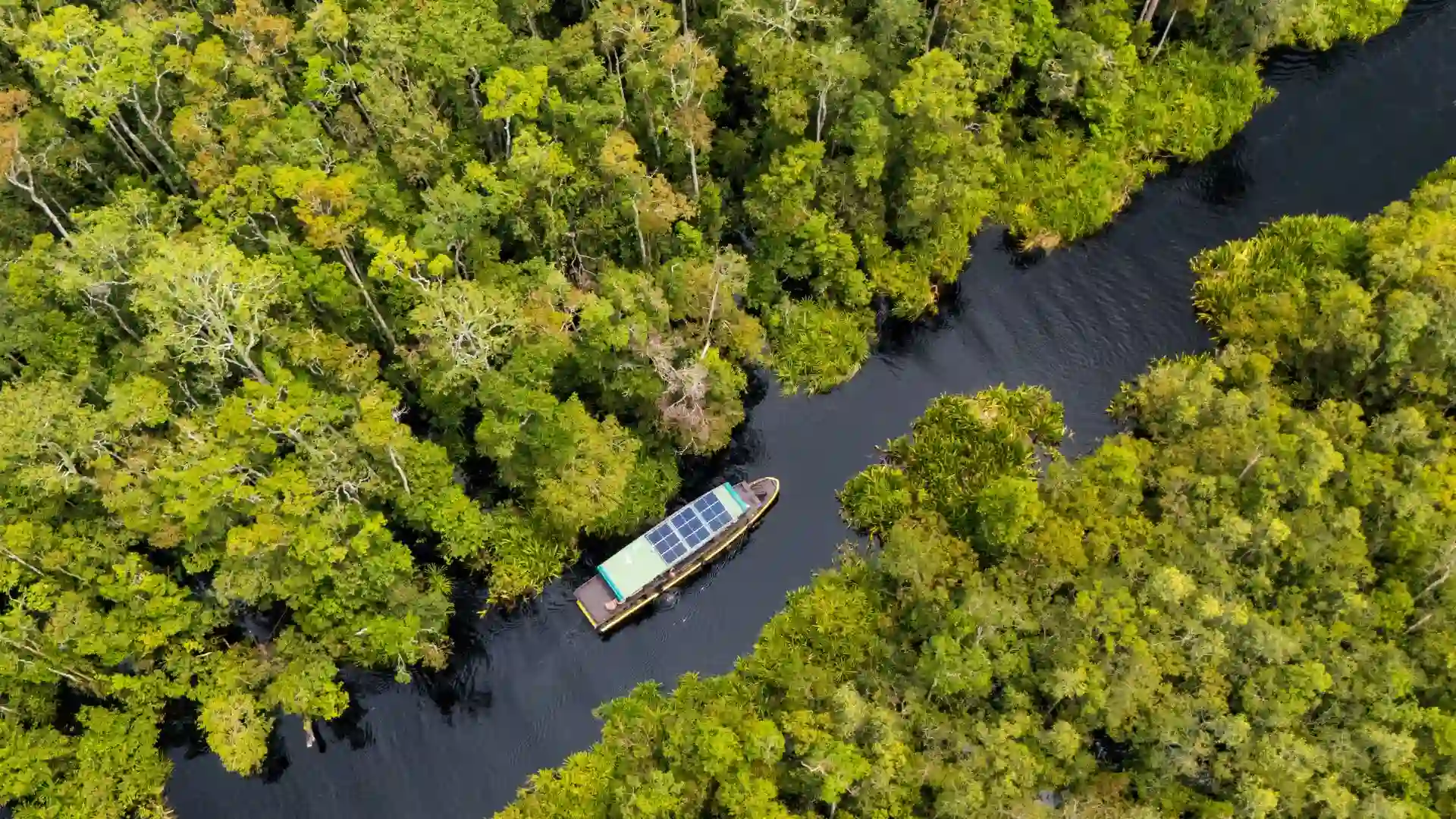
Today, cruising the Sekonyer River aboard a traditional klotok riverboat remains the most magical way to experience Tanjung Puting National Park—one of Southeast Asia’s most important protected areas. The river winds through 415,000 hectares of pristine lowland rainforest, peat swamp forest, and mangroves, its tea-coloured waters reflecting the towering trees that line its banks.
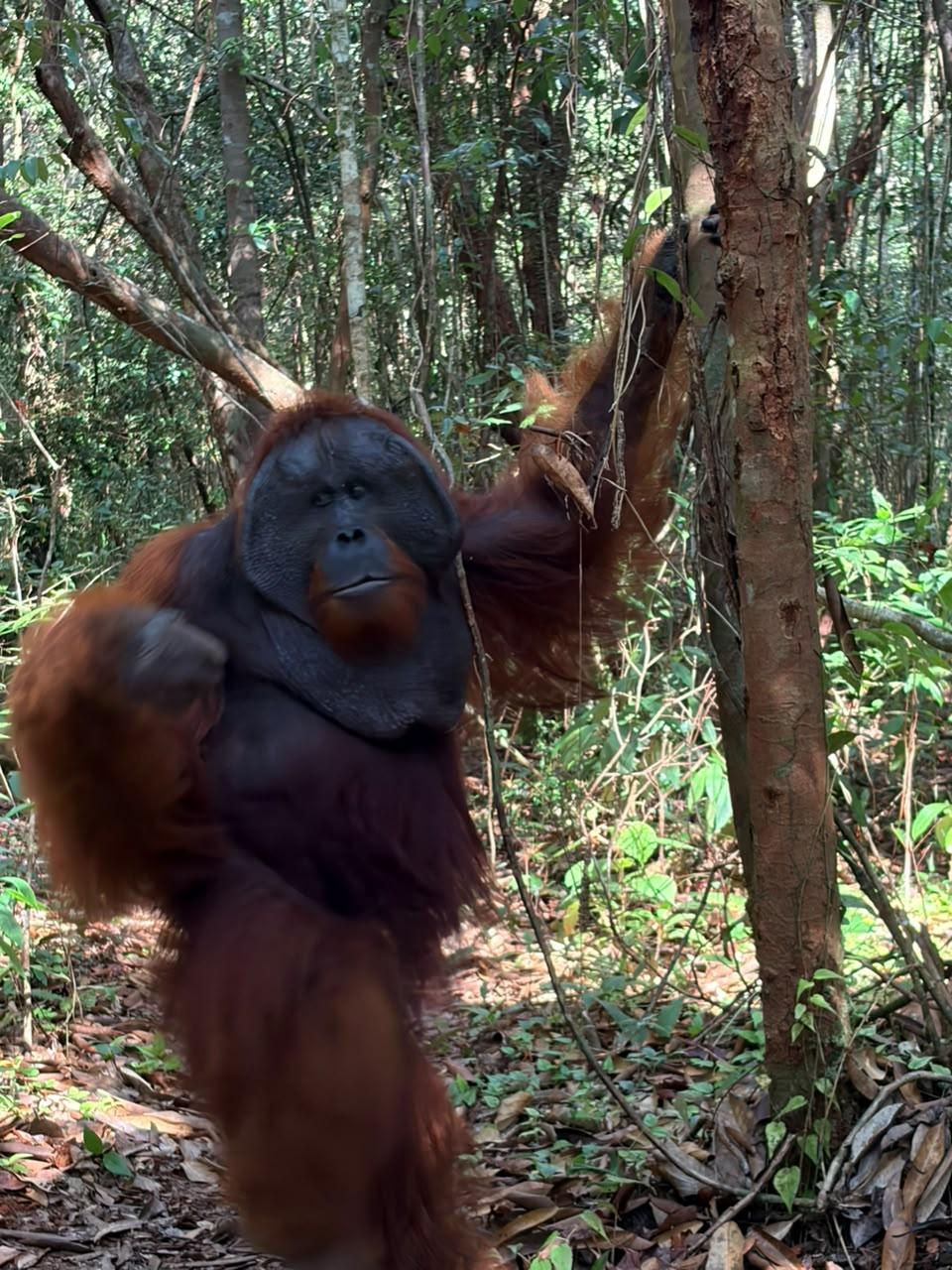
This is Borneo’s most famous orangutan destination for good reason. Nowhere else offers such reliable, intimate encounters with semi-wild orangutans living naturally in the forest, combined with the sheer beauty of cruising through blackwater rivers where proboscis monkeys leap overhead and hornbills call from the canopy. It’s an experience that has captivated visitors for over 50 years—and continues to inspire everyone who makes the journey.
Sekonyer River & Tanjung Puting National Park
The Sekonyer River forms the northern boundary of Tanjung Puting National Park, providing the main access route to this UNESCO Biosphere Reserve and its world-renowned orangutan research sites.
Top Experiences along the Sekonyer River
Sebangau National Park is a paradise for nature enthusiasts and those seeking to witness Kalimantan’s wildlife in its natural habitat. Here are some of the top experiences you can enjoy in this extraordinary park
Camp Leakey Encounter
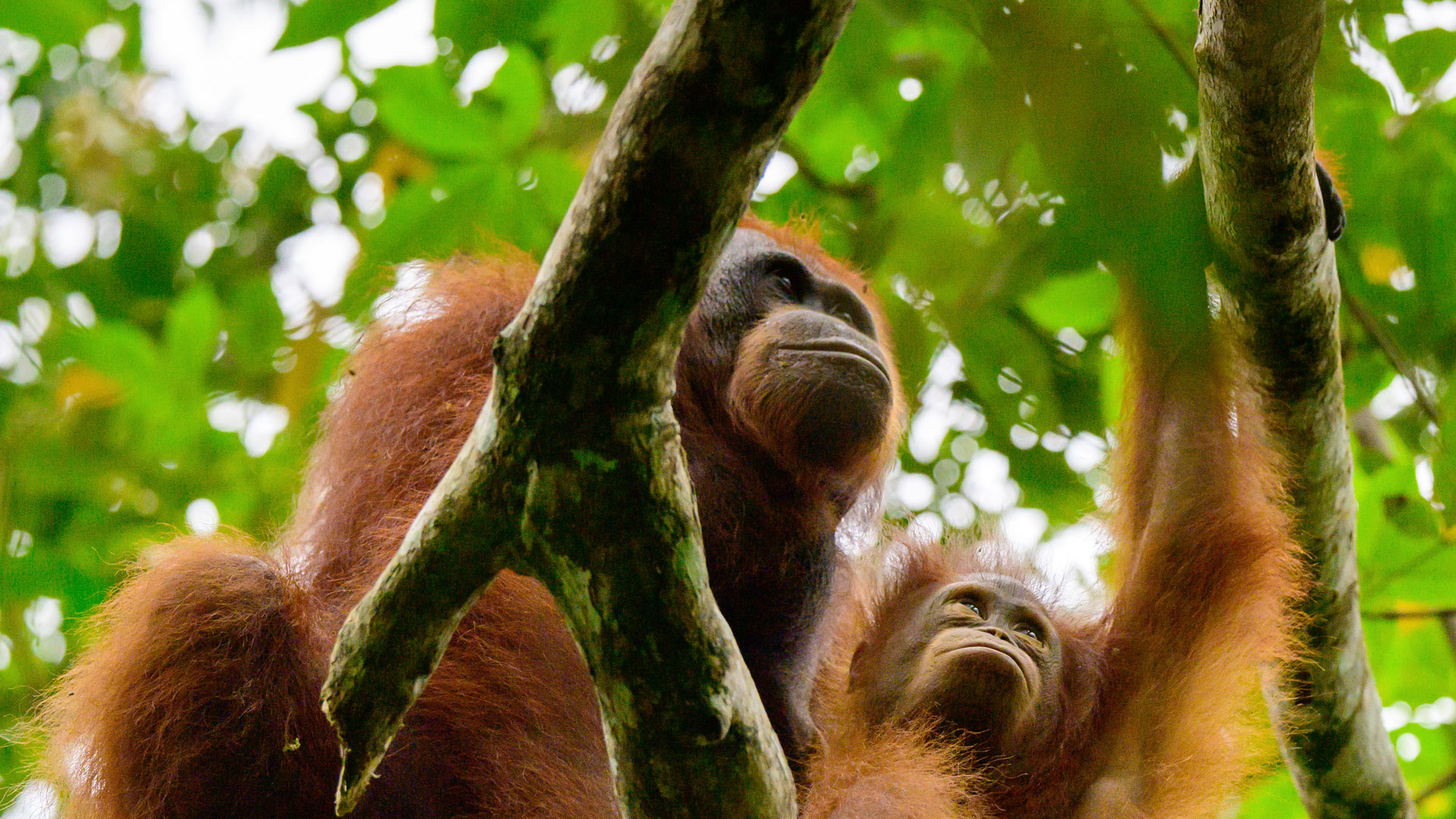
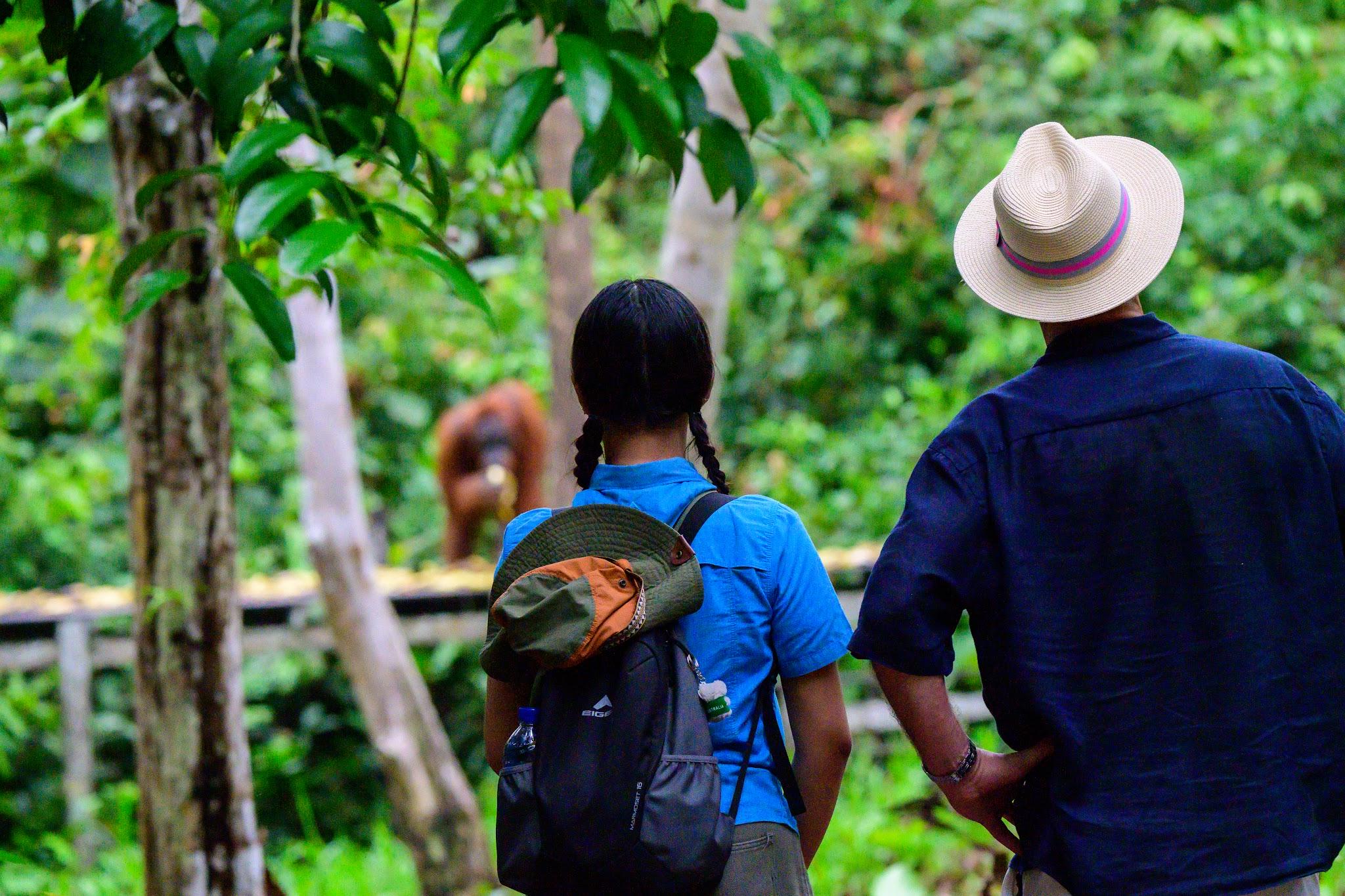
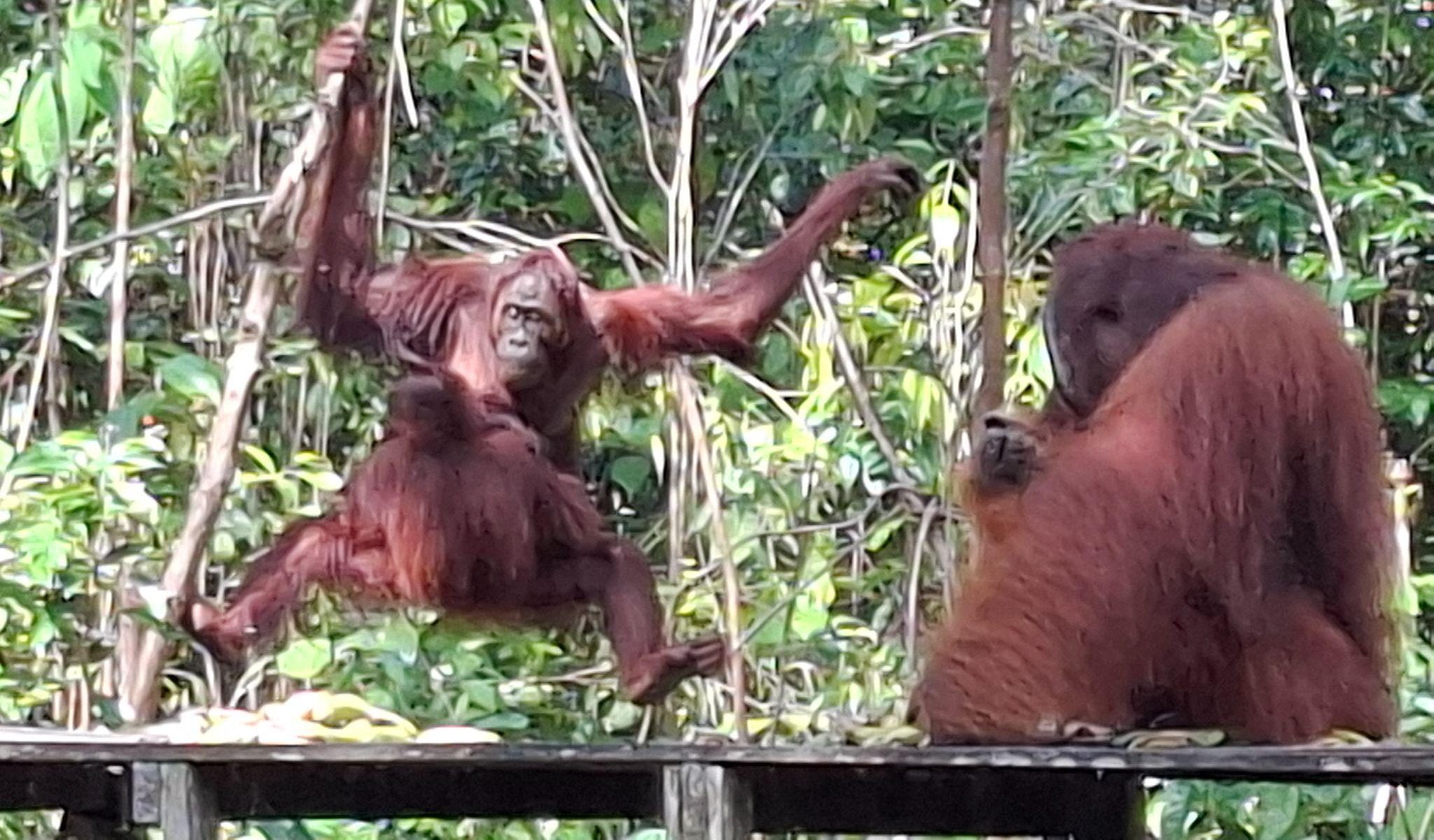
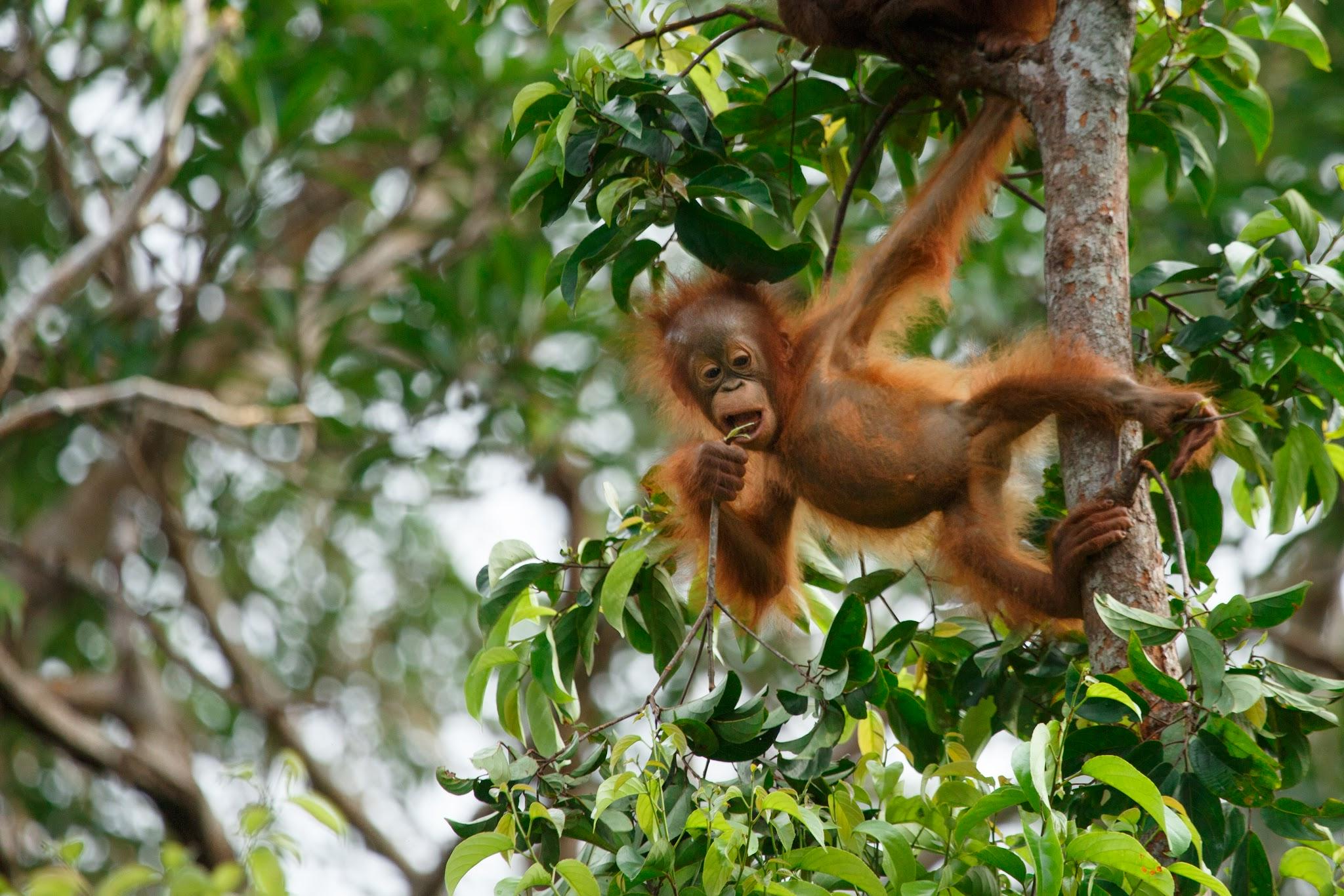
Visit the legendary Camp Leakey, the world’s oldest orangutan research station and the site of Dr. Galdikas’ groundbreaking work. Walk the same forest boardwalks where five decades of research have unlocked the secrets of orangutan behaviour, and watch as semi-wild orangutans come to the feeding platform at 2pm—a scene that has played out daily for over 50 years. This is where conservation history was made.
Blackwater River Journey
Cruise deep into the park where the Sekonyer River transforms into a mirror of liquid tea, its waters stained dark by tannins from the peat swamp forest. This is Tanjung Puting’s most photographed moment—the stillness of the blackwater creating perfect reflections of the forest canopy above, with hornbills flying overhead and fireflies illuminating the riverbanks at night.
Multiple Feeding Station Visits
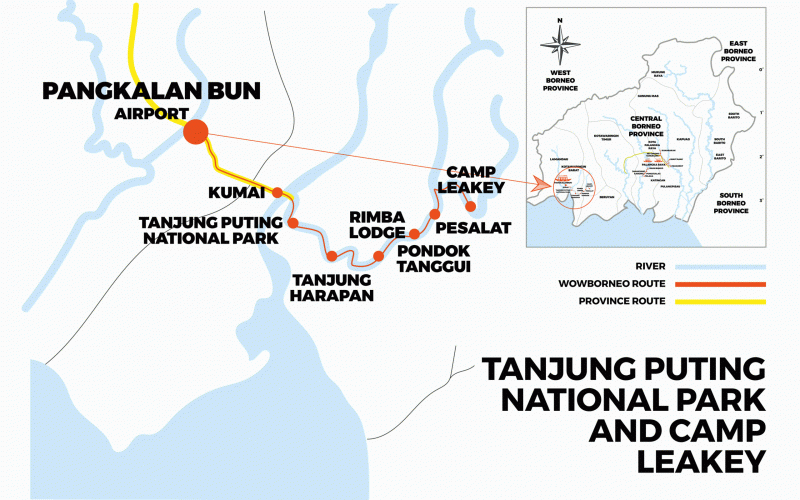
Experience three distinct research stations—Tanjung Harapan, Pondok Tanggui, and Camp Leakey—each offering different insights into orangutan rehabilitation and behaviour. From younger orangutans still learning forest skills to confident adults who’ve successfully made the transition back to the wild, you’ll witness the full spectrum of this remarkable conservation success story.
A Pioneer in Orangutan Conservation
Tanjung Puting holds a special place in conservation history. When Dr. Biruté Galdikas arrived in 1971, orangutans were poorly understood, and their survival was already threatened by habitat loss. Working alongside her mentor Louis Leakey (who also supported Jane Goodall and Dian Fossey), she established what would become one of the world’s most important primate research stations.
Those early years weren’t easy. Living in a bark-walled hut with no electricity or communication, Dr. Galdikas and her team spent exhausting days following wild orangutans through the forest, documenting behaviours never before observed. When orphaned orangutans began arriving—victims of the illegal pet trade and deforestation—Camp Leakey evolved into a rehabilitation centre as well as a research station.
From 1971 to 1995, approximately 200 wild-born ex-captive orangutans were released back into Tanjung Puting’s forests. Many of the orangutans you’ll see today are those released individuals, now mothers and even grandmothers, living wild and free. It’s one of conservation’s greatest success stories—and you’re witnessing the living legacy of that pioneering work.
The park itself owes its existence partly to Dr. Galdikas’ tireless advocacy. Originally just a wildlife reserve, her campaigning helped upgrade Tanjung Puting to National Park status in 1982, providing crucial protection against logging and other threats. Today, through Orangutan Foundation International, the conservation work continues, protecting what may be the largest wild orangutan population remaining in the world.
The Richest Primate Diversity in Borneo
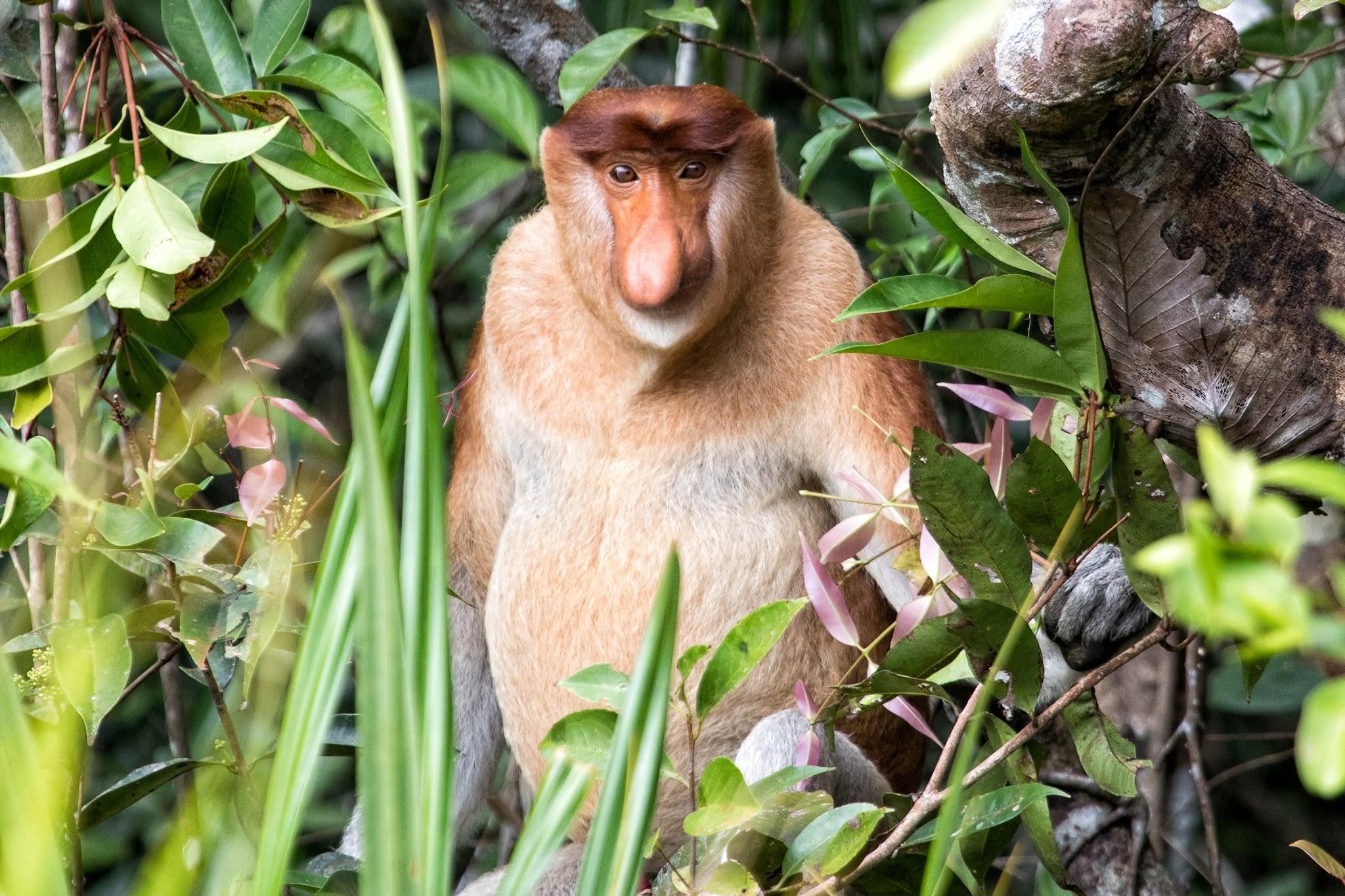
The park is home to ten primate species—the highest diversity in Borneo. Beyond orangutans, you’ll encounter the iconic proboscis monkey with its distinctive nose, gibbons calling through the morning mist, long-tailed and pig-tailed macaques, and the silvery lutung. Watch carefully and you might spot the elusive tarsier, one of the world’s smallest primates, during night walks.
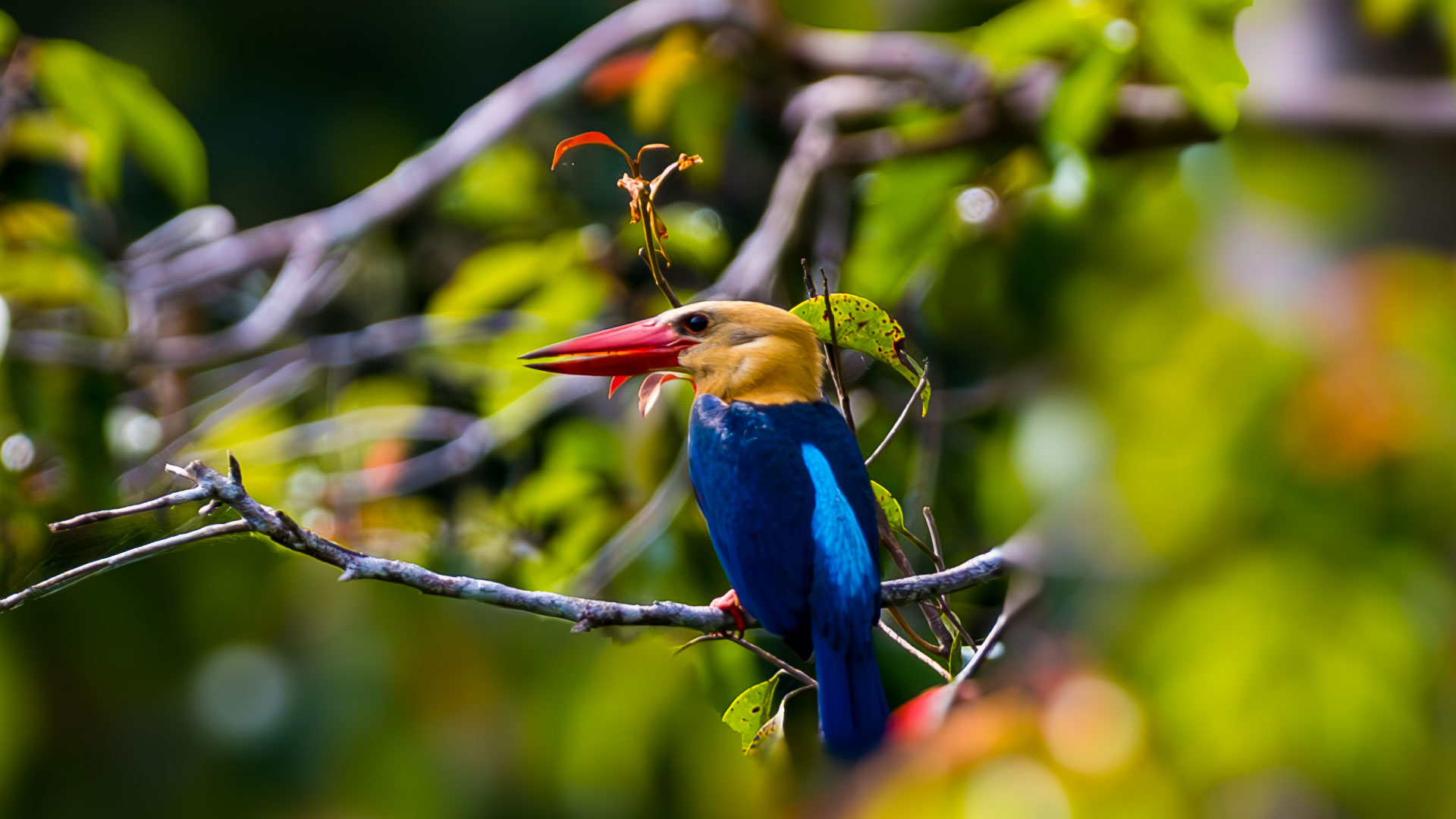
The birdlife is spectacular, with over 230 species recorded. Hornbill species go from the rhinoceros to the smaller oriental pied hornbill. Several species of kingfishers flash jewel-bright colours along the riverbanks.
In the waters below lurk two crocodile species, including the false gharial with its distinctive narrow snout. The rivers harbour the endangered arowana or “dragon fish,” prized for bringing good fortune. Malaysian sun bears, clouded leopards, civets, and sambar deer inhabit the forest, though sightings of these elusive creatures require patience and luck.
Traditional River Travel
Sebangau National Park is a paradise for nature enthusiasts and those seeking to witness Kalimantan’s wildlife in its natural habitat. Here are some of the top experiences you can enjoy in this extraordinary park
Fireflies & Stars
As darkness falls on the Sekonyer River, a different kind of magic emerges. Fireflies gather in the nypa palms lining the riverbanks, their synchronised blinking creating natural light displays like Christmas decorations on the trees. Their presence is a bio-indicator of exceptional air quality—something that’s becoming increasingly rare.
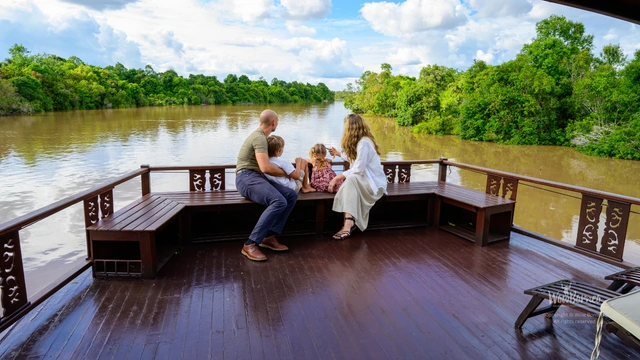
With no light pollution, the night sky over Tanjung Puting reveals the Milky Way in stunning clarity. Many visitors choose to sleep on the upper deck of their klotok, falling asleep to the sounds of the forest and waking with the dawn chorus of gibbons.
Borneo's Coastal Peat Swamp Treasure
Tanjung Puting represents the largest and most diverse protected example of coastal tropical heath and peat swamp forest that once covered much of southern Borneo. These ecosystems are rare and precious—most have been converted to agriculture elsewhere.
The peat swamp forests are extraordinary environments where peat deposits can reach 3 metres deep. Trees have evolved remarkable adaptations: stilt roots and aerial roots allow them to breathe and stay stable in the waterlogged, acidic soils. The water itself, stained tea-dark by tannins, creates the hauntingly beautiful blackwater rivers that make cruising through Tanjung Puting so memorable.
Travel Tips for Visiting Tanjung Puting National Park
Best Times to Visit
The park can be visited year-round, though the dry season (May-September) offers easier trekking conditions. The wet season (November-March) brings afternoon thunderstorms that dramatically cool the air and create even more spectacular blackwater reflections—many photographers prefer this time despite the rain.
What to Expect
This is warm, humid tropical rainforest. Temperatures hover around 30°C with high humidity. Pack light, breathable clothing, good insect repellent (mosquitoes are persistent), and comfortable walking shoes for the forest boardwalks. Bring a good camera but also spend time simply observing—some moments are best experienced rather than photographed.
Respecting the Wildlife
These are semi-wild orangutans living naturally in the forest. Maintain a respectful distance (at least 5 metres), never touch or feed them outside of official feeding times, and follow your guide’s instructions. Your presence should not alter their natural behaviour.

Explore Our Cruise Collection
Discover the diverse beauty of Borneo’s rivers through our collection of thoughtfully designed cruises. From short escapes to extended expeditions, each journey offers authentic encounters with wildlife, indigenous communities, and pristine jungle landscapes. Browse our available departures and find the adventure that calls to you.