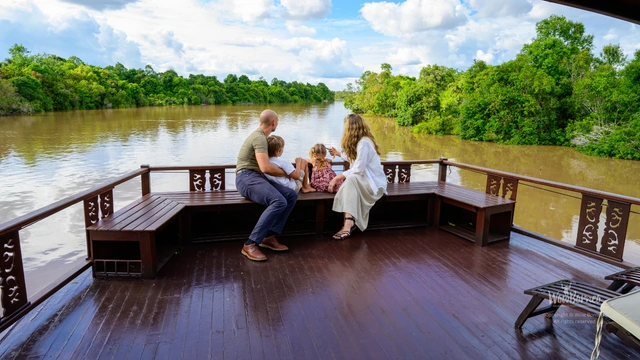

Where Culture Meets Conservation
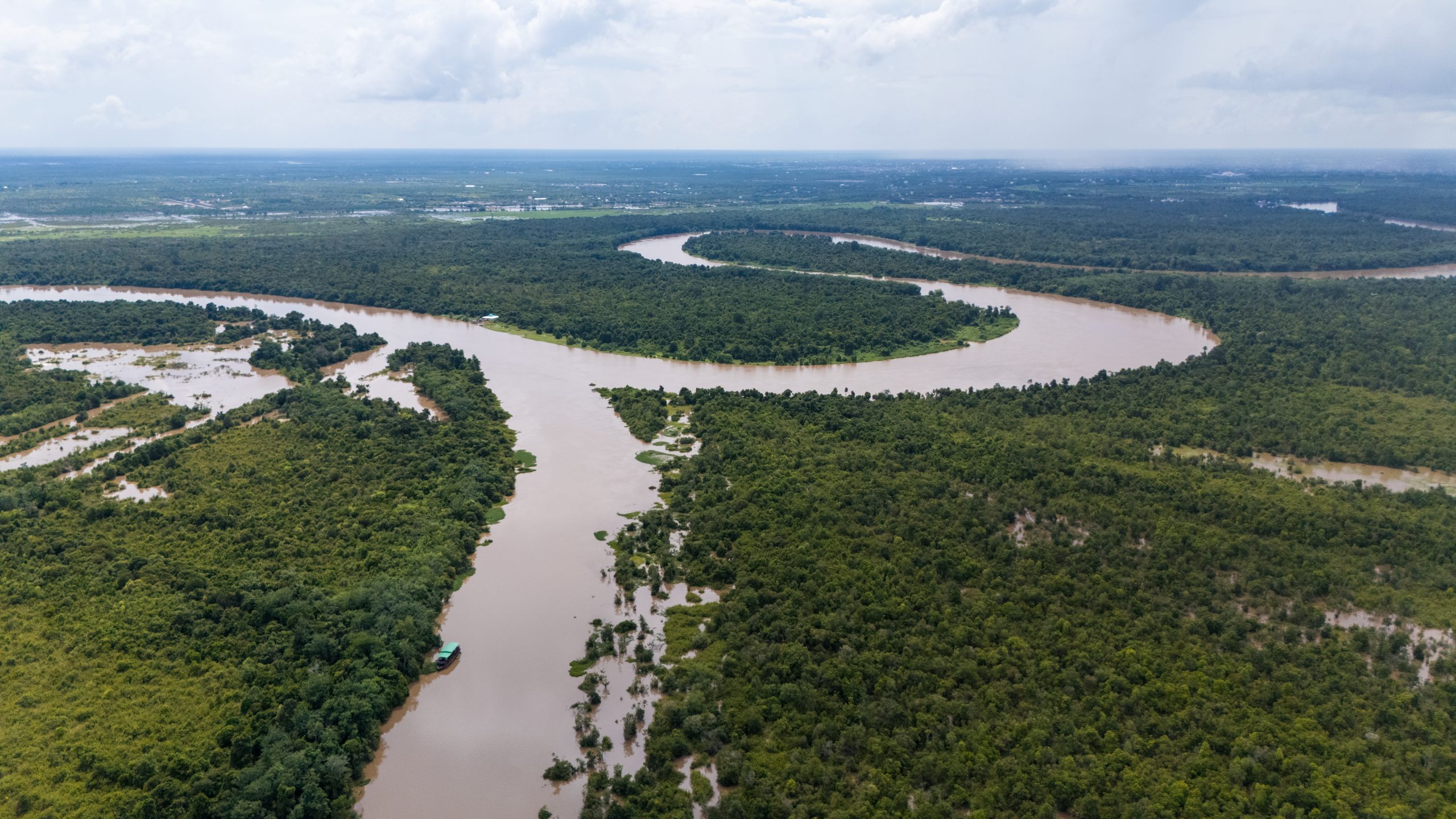
Kahayan River
The Kahayan River—known to locals as the Great Dayak River—flows through the cultural heart of Central Kalimantan, offering something truly unique: the perfect blend of wildlife encounters and deep cultural immersion. This isn’t just about seeing orangutans (though you will). It’s about understanding the inseparable connection between the people who’ve called these riverbanks home for generations and the forests they’ve protected.
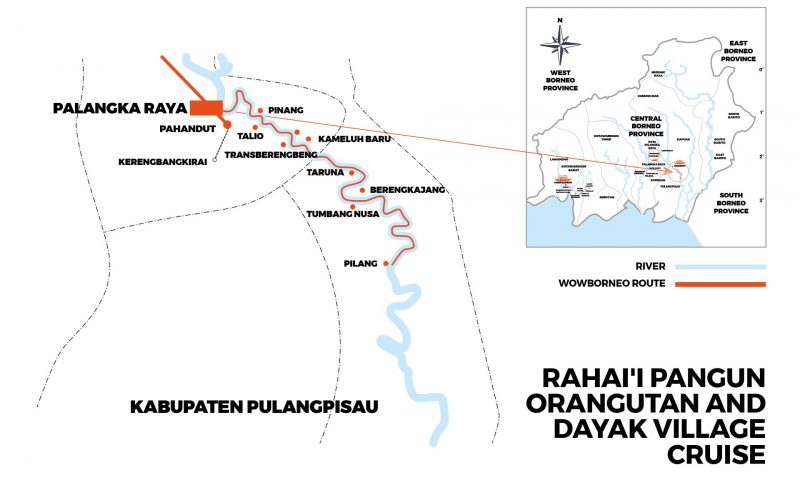
Kahayan River & Surrounding Areas
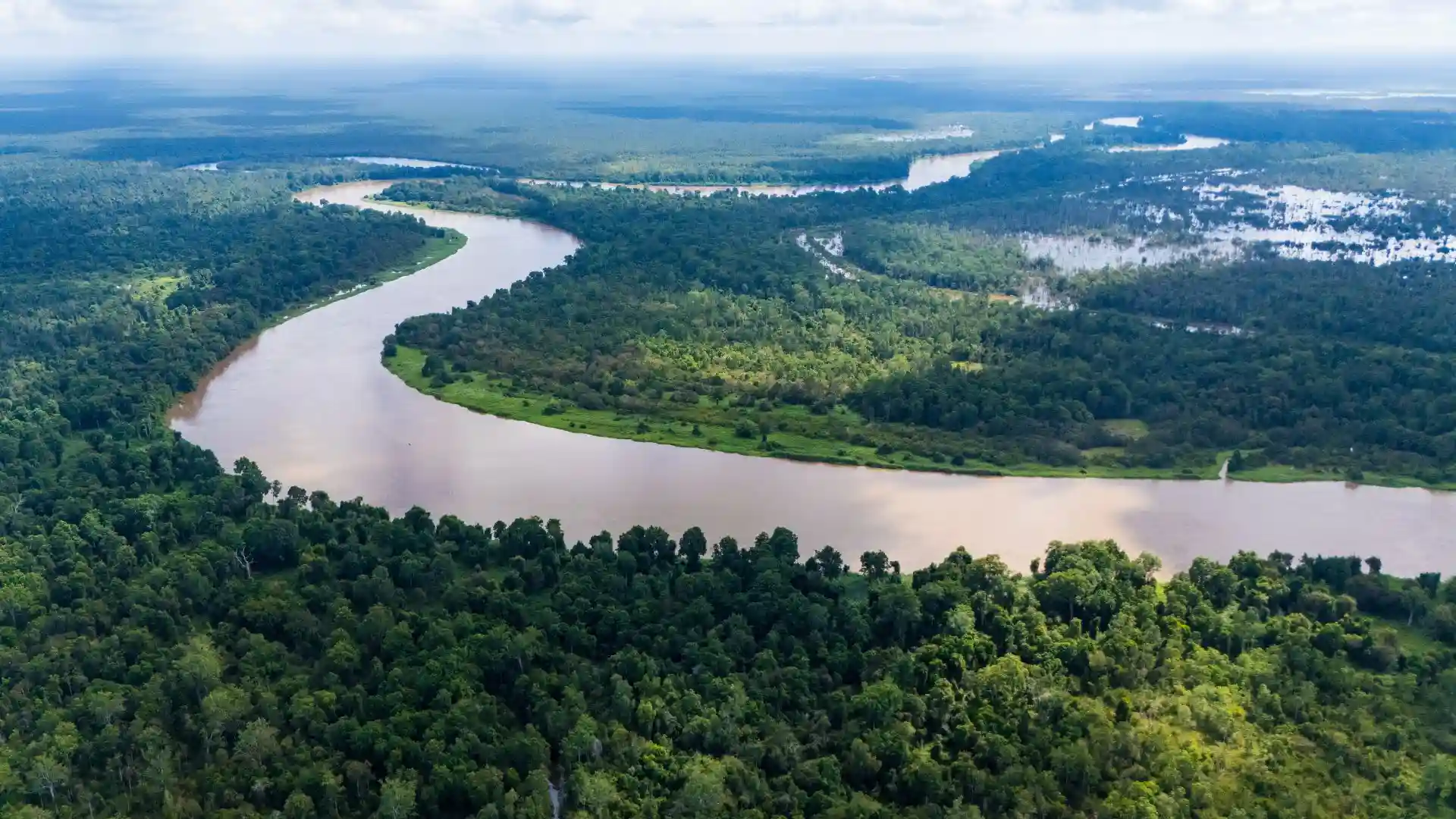
Flowing 658 kilometres from the mountains to the sea, the Kahayan River is Central Kalimantan’s cultural lifeline, connecting Dayak communities who have lived along its banks for centuries.
Top Experiences along the Kahayan River
Kahayan River is a paradise for nature enthusiasts and those seeking to witness Kalimantan’s wildlife in its natural habitat. Here are some of the top experiences you can enjoy in this extraordinary park
Orangutan Island
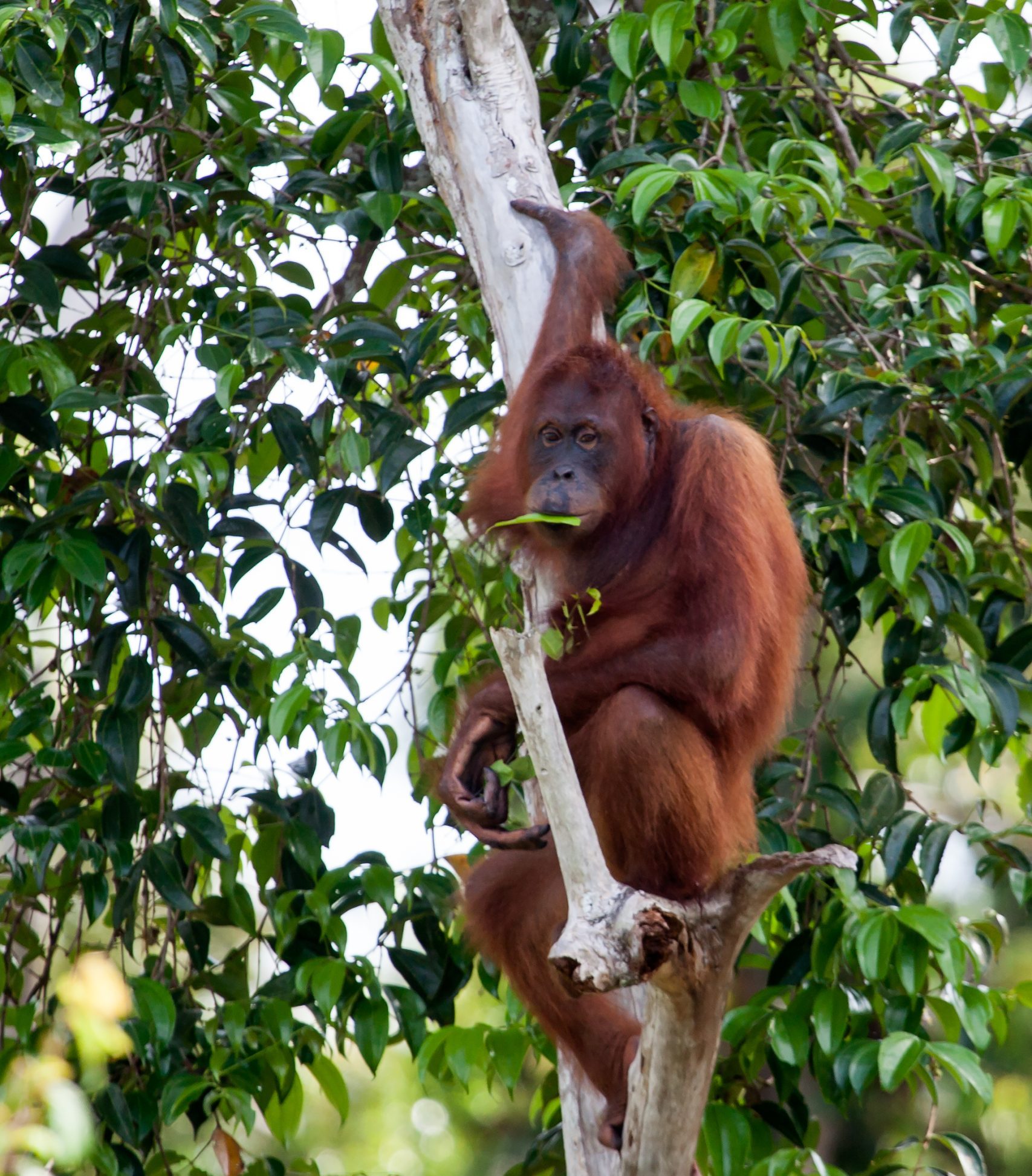
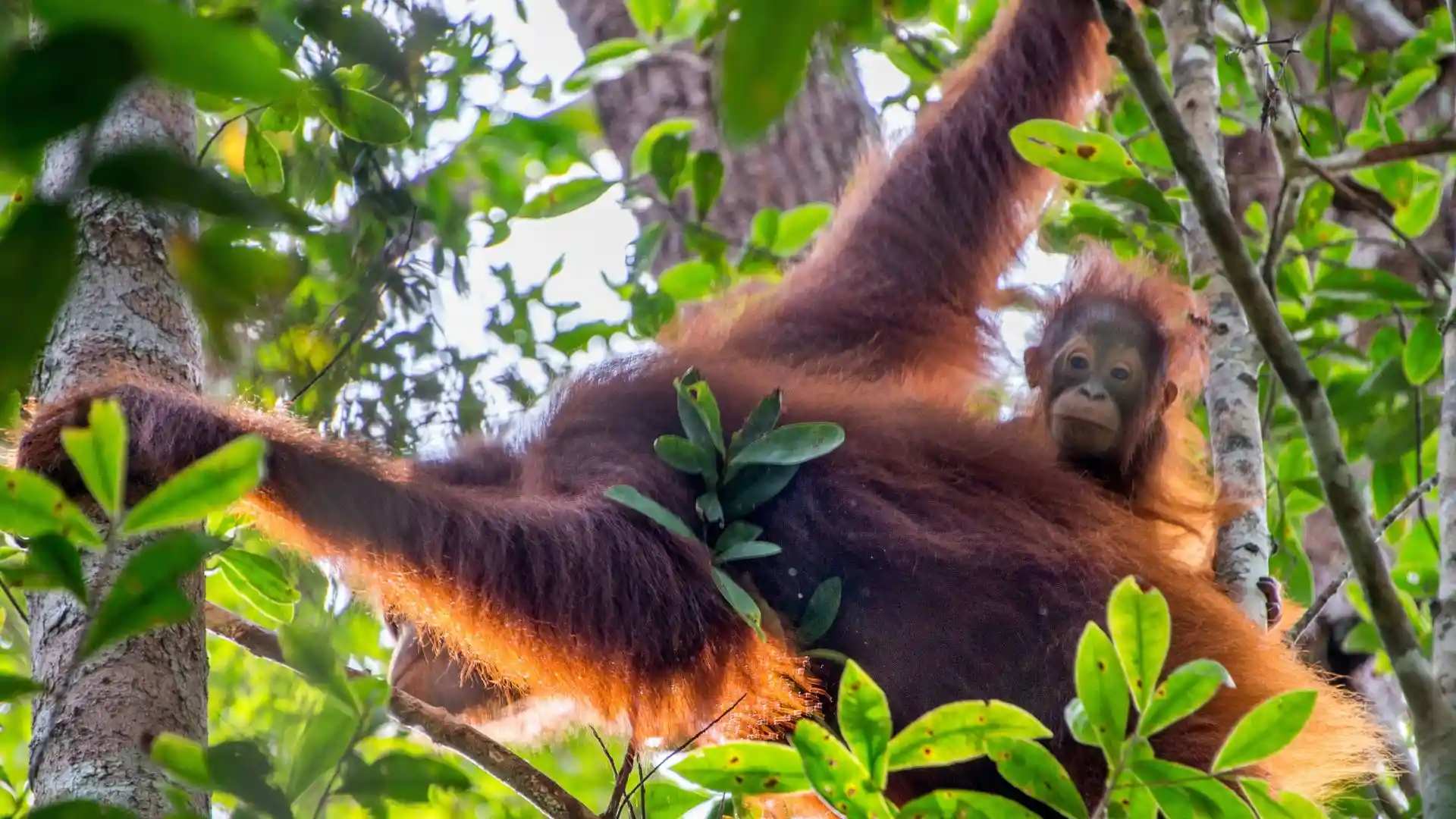
Observe rehabilitated orangutans at Pulau Kaja, a forested island in the Rungan River managed by the Borneo Orangutan Survival Foundation. Watch from traditional canoes as these remarkable primates practice their forest skills in the final stage before release into the wild. It’s a rare opportunity to witness conservation in action while supporting one of the world’s largest orangutan rehabilitation programmes.
Visiting Dayak Village
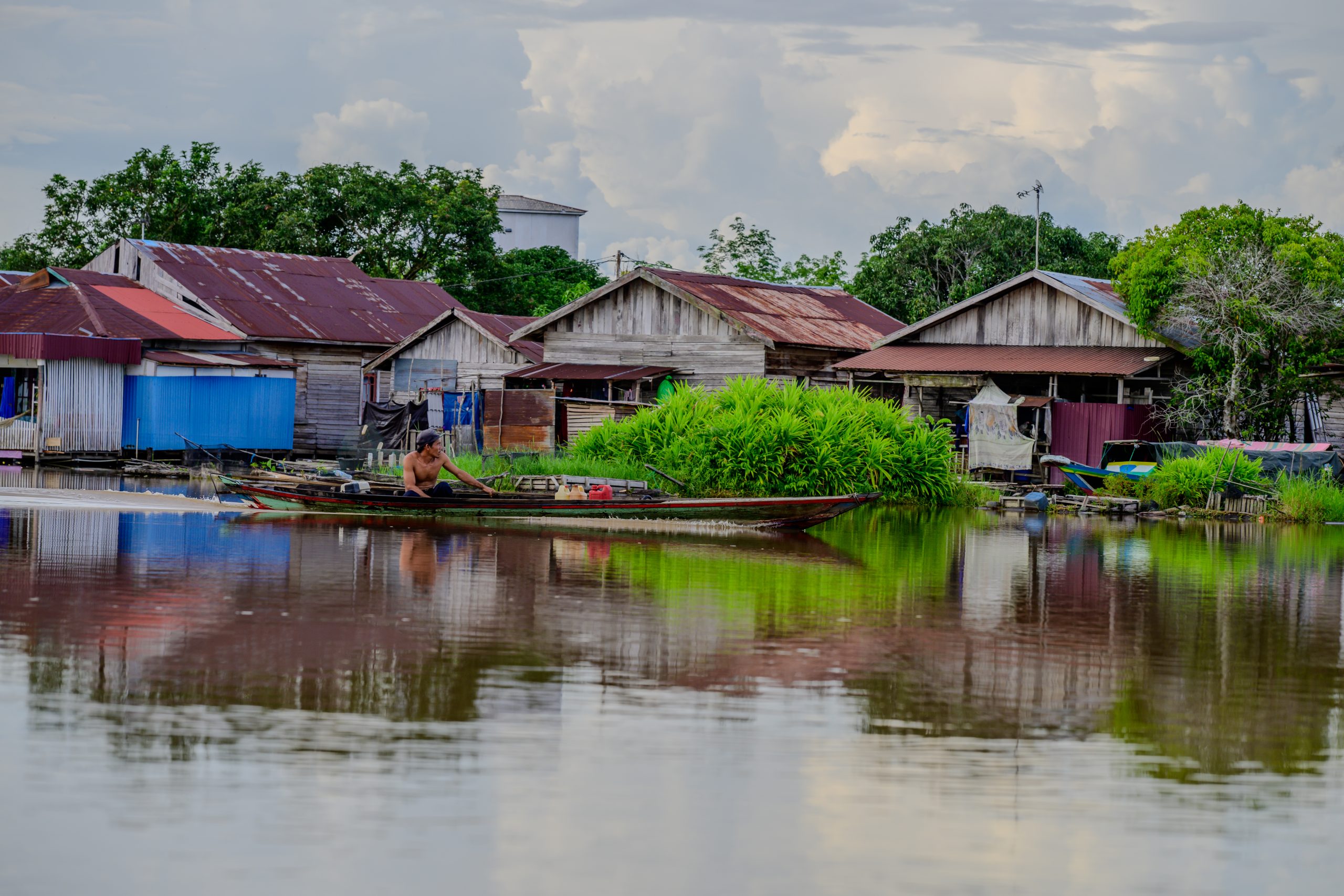
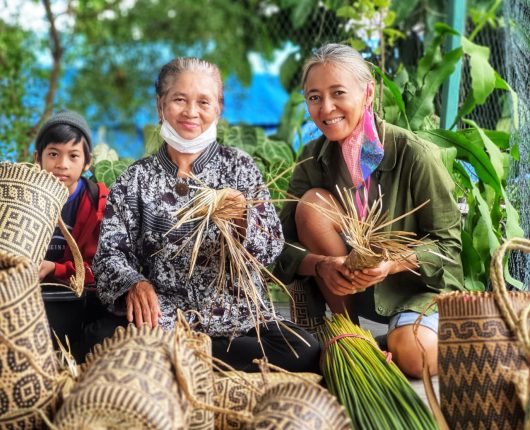
Experience authentic Dayak Ngaju culture through village visits that go far beyond tourism. Stay overnight in traditional longhouses, join families in their daily activities—from rubber tapping to rattan weaving—and share stories over traditional coffee spiced with local aromatics. These aren’t staged performances; they’re genuine exchanges with communities who are opening their homes and lives to you.
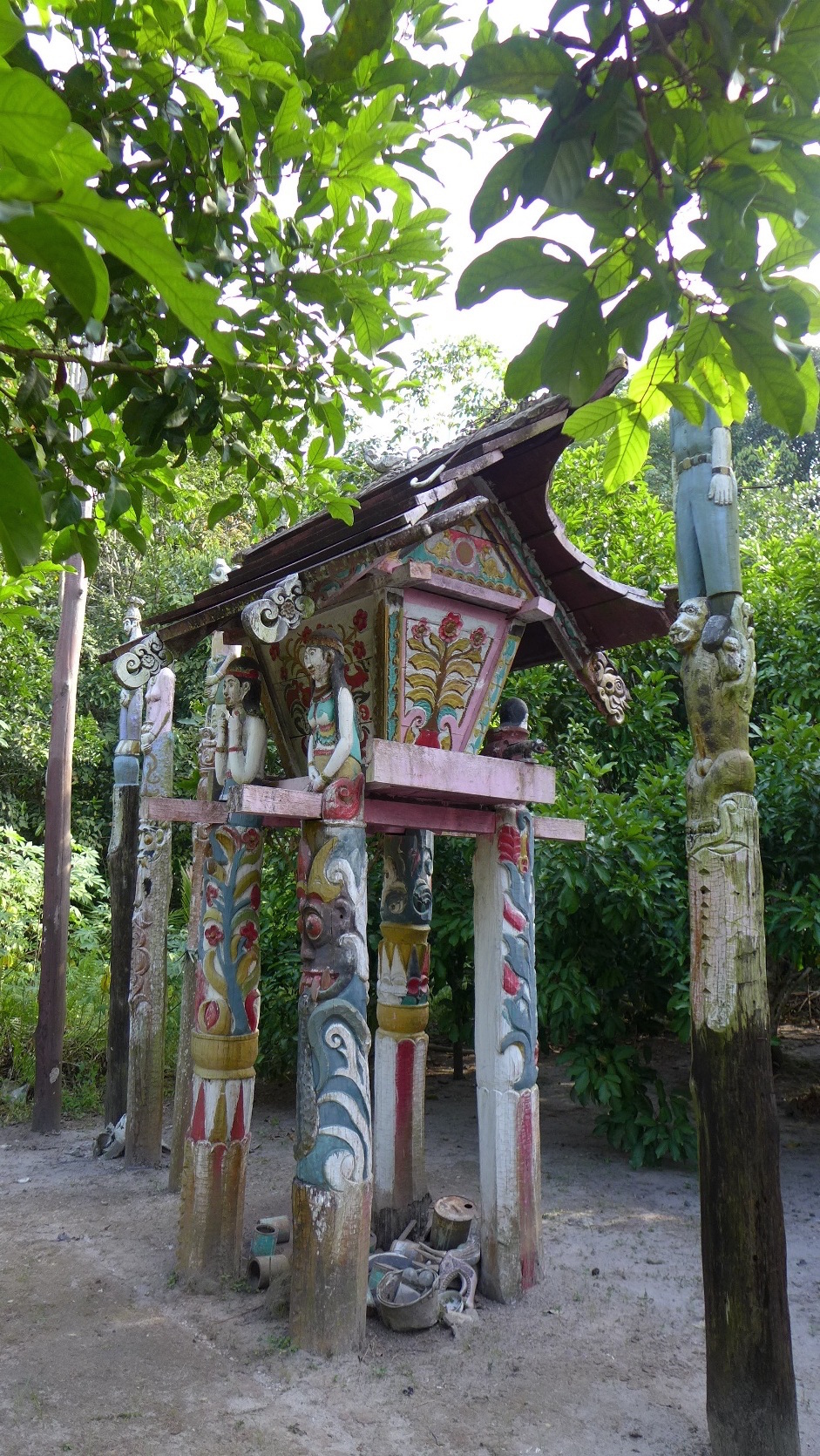
Sacred Sandung
Discover the magnificent sandung—intricately carved wooden ossuaries holding the bones of ancestors. These house-shaped structures, ornately decorated with hornbill motifs and otherworldly figures, are central to the Tiwah ceremony and Kaharingan belief system. Your guide will explain the spiritual significance and artistic mastery behind these remarkable monuments.
Conservation & Wildlife in Harmony
The Kahayan River region demonstrates how wildlife conservation and cultural preservation work hand in hand. The Borneo Orangutan Survival Foundation operates Nyaru Menteng, one of the world’s largest orangutan rehabilitation centres, where over 400 rescued orangutans receive care before their gradual return to the wild through pre-release islands like Pulau Kaja and Bangamat.
Conservation & Wildlife in Harmony
The Kahayan River region demonstrates how wildlife conservation and cultural preservation work hand in hand. The Borneo Orangutan Survival Foundation operates Nyaru Menteng, one of the world’s largest orangutan rehabilitation centres, where over 400 rescued orangutans receive care before their gradual return to the wild through pre-release islands like Pulau Kaja and Bangamat.
The Cultural Heartland of Borneo
What sets the Kahayan River apart from other Borneo destinations is its focus on the relationship between people and place. This is where you’ll gain the deepest understanding of how traditional communities and modern conservation efforts can support each other.
Tiwah & Sandung Tradition
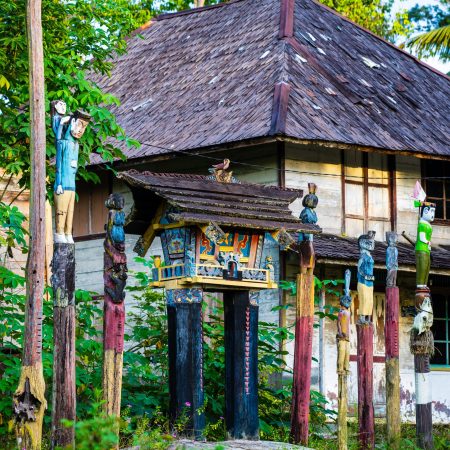
The Tiwah ceremony is the most important ritual in Dayak Ngaju culture—a secondary burial ceremony where bones of the deceased are exhumed (sometimes years after death), purified with oil and gold dust, and placed in the sandung with other family members. This ensures the spirit’s safe journey to paradise and releases the family from certain traditional obligations.
Kaharingan
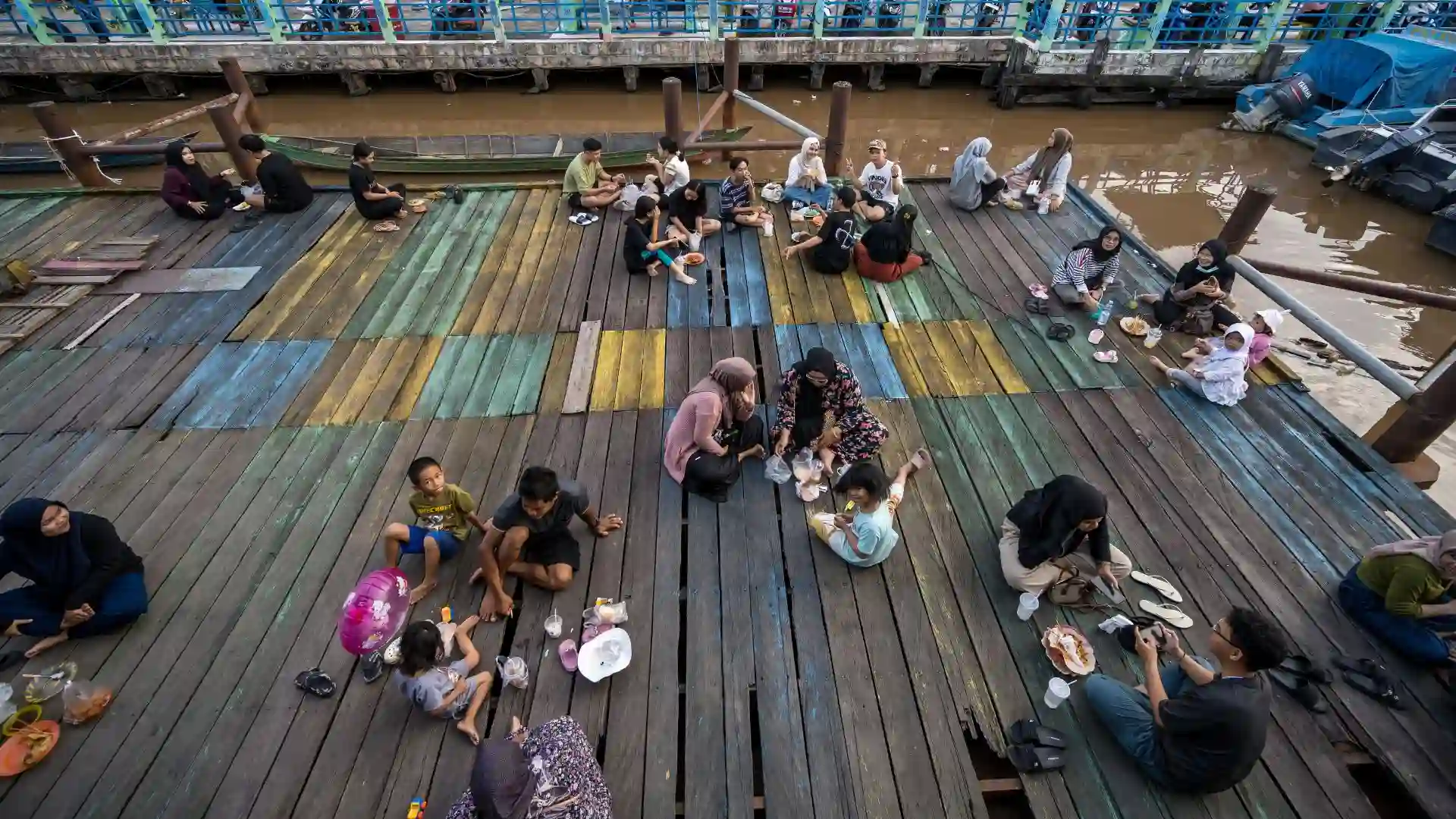
Kaharingan—meaning “way of life”—is the indigenous belief system that centers on harmony with nature and ancestral spirits. It includes strict traditional laws about forest use, ensuring sustainable practices that have protected these ecosystems for generations. While many Dayak have converted to Christianity or Islam, Kaharingan remains a vital part of cultural identity, officially recognized as a legitimate belief system in Indonesia.
Traditional Livelihoods
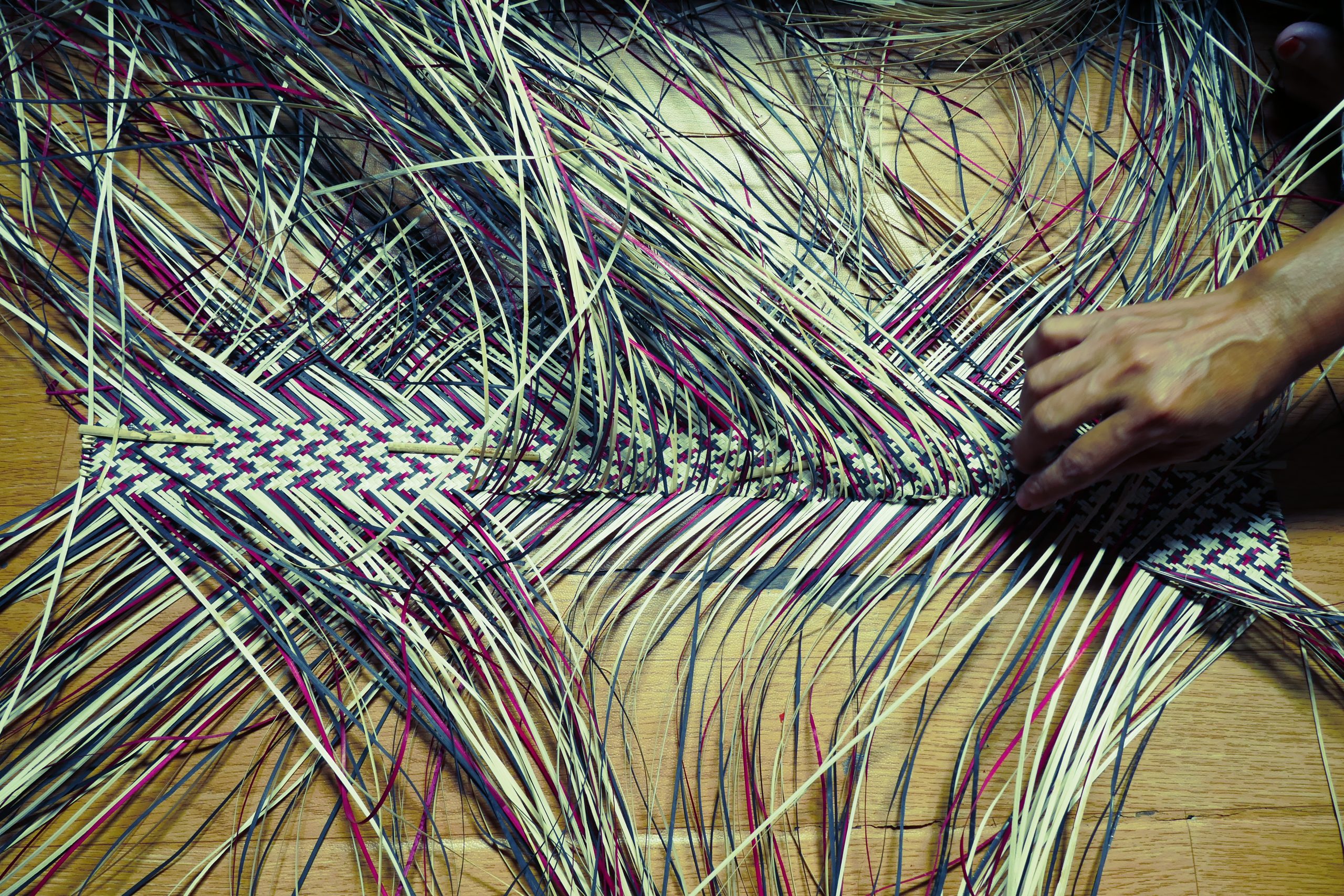
Along the Kahayan, you’ll see how communities sustainably harvest forest products: rubber latex collected in the early morning, rattan gathered for weaving, medicinal plants for traditional healing. You might visit fish farms, observe traditional agriculture, or see the grey sedge (purun) weaving cooperative where women create beautiful handmade straw products from rushes growing naturally in the canals and lakes.
Travel Tips for Visiting the Kahayan River
Cultural Sensitivity
Remember you’re entering living communities, not theme parks. Dress modestly (shirts with sleeves, no short shorts or tank tops), ask permission before photographing people or sacred sites, and be prepared to remove shoes when entering homes and religious buildings. Small gifts for host families (not money) are appreciated but not required.
Language
While Bahasa Indonesia is widely spoken, English is less common in villages. Your guide will be invaluable for translation and cultural interpretation. Learning a few words of Dayak Ngaju will be warmly received.
What to Bring
Beyond the usual river cruise essentials, consider bringing small, thoughtful items to share (postcards from your home, photos of your family) as cultural exchange works both ways. The connections you make can be profound.
Explore Our Cruise Collection
Experience the Kahayan River’s unique blend of wildlife conservation and living culture. Our cruises offer meaningful exchanges with Dayak communities, visits to orangutan rehabilitation islands, and insights into how traditional ways of life and modern conservation work together to protect Borneo’s precious heritage.